Fort Tryon Park in Manhattan, New York City
Fort Tryon Park in Manhattan, New York City
Exploring verdant vistas
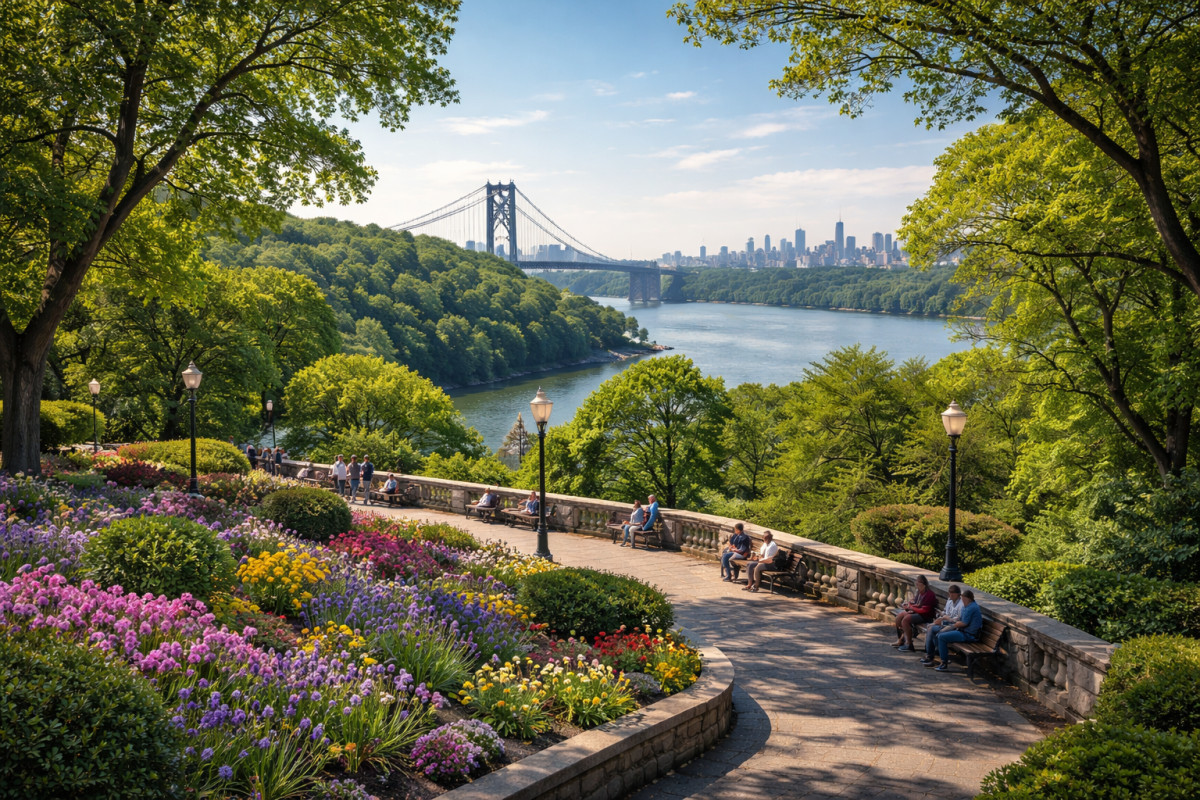
Fort Tryon Park unfurls across the northern reaches of Manhattan, a magnificent tapestry of sculpted landscapes and raw natural beauty. Its elevated perch provides an unparalleled sanctuary, a dramatic divergence from the relentless urban pulse below. Visitors are greeted by a symphony of green, where mature trees form a protective canopy and meticulously maintained gardens burst with color and fragrance, offering a profound sense of escape and rejuvenation.
The park’s design masterfully integrates its rugged topography, transforming steep inclines into opportunities for breathtaking revelation. Pathways wind through dense foliage, occasionally parting to reveal expansive panoramas. This urban escape is more than just a green space; it is a meticulously crafted experience, inviting introspection and connection with the natural world.
Panoramic hudson river views
One of the most compelling features of Fort Tryon Park is its commanding position overlooking the Hudson River. From numerous vantage points, the eye sweeps across the majestic waterway, encompassing the Palisades Cliffs in New Jersey, the intricate span of the George Washington Bridge, and the distant shimmer of the Tappan Zee Bridge. These panoramic vistas transform with the seasons and the shifting light, offering ever-changing spectacles of natural grandeur.
"The sweep of the Hudson from Fort Tryon Park offers a daily reminder of nature's enduring power, even within the embrace of the metropolis."
Sunset here is a particularly revered event, as the sky ignites with hues of orange, pink, and purple, casting a warm glow over the tranquil waters. It is a place where one can pause, breathe deeply, and witness the vastness of the world beyond the concrete canyons.
A botanical symphony
Within the expansive embrace of Fort Tryon Park lies a botanical wonderland, a vibrant showcase of horticultural artistry. The park is renowned for its diverse plant collections, thoughtfully arranged to provide continuous visual interest throughout the year. Every turn presents a new botanical discovery, from resilient native species to exotic imports, all thriving in this carefully cultivated environment.
The pathways are often lined with a succession of flowering shrubs and perennials, each contributing to an overarching design that feels both wild and refined. This attention to botanical detail establishes the park as a vital component of New York City's green infrastructure, a living testament to landscape architecture.
The iconic heather garden
Nestled within the park's embrace, the Heather Garden stands as a jewel of horticultural design. This unique garden is a sprawling tapestry of hardy heathers and heaths, complemented by dwarf conifers, broadleaf evergreens, and numerous other plantings that thrive in its rocky, well-drained environment. Its terraced layout allows for an immersive experience, with winding paths inviting close inspection of the diverse textures and subtle color variations.
The Heather Garden offers a spectacle of bloom for much of the year, defying the typical seasonal limitations of many floral displays. Its robust nature and year-round appeal make it a particular highlight for visitors seeking enduring beauty.
Key features of the Heather Garden include:
- Diverse varieties of heather and heath
- Carefully selected companion plants
- Terraced design for optimal viewing
- Rocky outcroppings integrated into the landscape
Seasonal bloom cycles
Beyond the Heather Garden, Fort Tryon Park orchestrates a magnificent progression of seasonal blooms. Spring awakens with a burst of daffodils, tulips, and cherry blossoms, painting the landscape in soft pastels. Summer brings forth the bold colors of hydrangeas, roses, and various perennials, while autumn transforms the park into a blaze of fiery foliage. Even in winter, the evergreens, structural elements, and occasional snow dusting lend a quiet, stark beauty.
"The park's ever-changing botanical tapestry ensures that each visit offers a fresh perspective, a new array of colors and scents."
This dynamic botanical calendar ensures that Fort Tryon Park remains a vibrant destination regardless of the time of year, constantly evolving and presenting new delights for the observant visitor.
The cloisters an artistic marvel
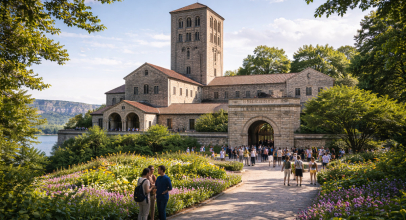
Within the heart of Fort Tryon Park resides The Cloisters, a branch of The Metropolitan Museum of Art dedicated to the art and architecture of medieval Europe. While a museum in its own right, its presence is intrinsically woven into the park's fabric, lending an ethereal, almost ancient atmosphere to its surroundings. The museum's formidable stone structures and tranquil courtyards contribute significantly to the park's overall aesthetic, creating a dialogue between human craftsmanship and natural beauty.
The architecture itself feels as if it grew organically from the schist bedrock of northern Manhattan, its stone walls blending seamlessly with the dramatic cliffs and verdant slopes. This symbiotic relationship enhances the sense of wonder and timelessness that permeates both the park and the museum.
Gothic architecture and tranquil courts
The Cloisters' architectural design, incorporating elements from various medieval monasteries and abbeys, provides a stunning backdrop to the park's natural features. Its Romanesque and Gothic arches, intricate stonework, and serene courtyards create pockets of profound peace. These enclosed gardens, distinct yet connected to the larger park, offer moments of quiet reflection, their carefully chosen plantings echoing medieval horticultural practices.
The presence of these architecturally significant structures deepens the park's character, providing not just scenic beauty but also a powerful sense of historical depth and cultural resonance within the Manhattan landscape.
Beyond the cloisters walls
The immediate surroundings of The Cloisters extend the museum experience into the park itself. Terraced gardens lead visitors from the museum's entrance down towards the Hudson River, each level offering new perspectives on the building's grandeur and the river's expanse. The meticulous landscaping around The Cloisters complements its medieval theme, incorporating plant species that would have been common in European monastic gardens, further blurring the lines between art, history, and nature.
This careful integration ensures that the park and museum function as a cohesive entity, where the beauty of one enhances the experience of the other, making Fort Tryon Park a premier destination for both cultural immersion and outdoor recreation.
Recreation and serene contemplation
Fort Tryon Park serves as a dynamic hub for both active recreation and peaceful contemplation, catering to a diverse array of visitors. Its varied terrain and thoughtful design provide ample opportunities for physical activity, while numerous secluded nooks invite quiet reflection. The park expertly balances vibrant community spaces with areas of profound tranquility, making it a truly versatile urban asset.
Whether one seeks an invigorating morning run, a leisurely afternoon stroll, or simply a bench with a view, the park delivers a rich and varied experience. It functions as a vital lung for the city, offering both physical and mental respite from the metropolitan bustle.
Pathways and discovery
A labyrinthine network of pathways crisscrosses Fort Tryon Park, inviting exploration and discovery. These trails range from gently sloping promenades suitable for families and strollers to more rugged, winding paths that challenge the avid hiker. Each turn often reveals a hidden bench, a striking tree, or another unexpected vista, encouraging visitors to wander and absorb the park's nuanced beauty at their own pace.
The extensive system allows for varied routes, ensuring that repeat visits always offer new perspectives and experiences within this expansive Manhattan park.
Popular activities on the pathways include:
- Walking and jogging
- Dog walking
- Photography
- Bird watching
Leisure and wellness
Beyond structured activities, Fort Tryon Park champions an atmosphere of general well-being. Individuals find spaces for yoga, meditation, or simply reading beneath a shady tree. The natural environment itself contributes to mental and physical health, providing fresh air, natural light, and the calming influence of verdant surroundings. Public art installations and sculptural elements are often encountered along the routes, adding another layer of cultural enrichment to the experience.
"In the quiet corners of Fort Tryon Park, the city's relentless rhythm fades, replaced by the rustle of leaves and the gentle murmur of peace."
The park acts as a natural therapist, a place where the stresses of urban life can be shed amidst nature's embrace, fostering a sense of calm and renewed energy.
Architectural harmony and natural splendor
Fort Tryon Park stands as a testament to the elegant integration of human design with the rugged natural landscape. The park’s architecture, particularly its impressive stone walls, staircases, and overlooks, doesn't merely impose itself upon the land but rather seems to grow organically from it, echoing the very bedrock of Manhattan. This thoughtful blending creates a cohesive aesthetic where every built element enhances rather than detracts from the natural splendor.
The careful selection of materials and the masterful craftsmanship contribute to a timeless quality, making the park feel both ancient and perpetually fresh. It exemplifies how thoughtful design can elevate a public space into a work of art in itself.
Stone craftsmanship
A defining characteristic of Fort Tryon Park is its remarkable stonework. Miles of dry-laid stone walls, crafted from local Manhattan schist, define pathways, support terraces, and create dramatic overlooks. These walls are not merely functional; they are artistic expressions, their rugged textures and varied hues blending seamlessly with the surrounding environment. The intricate patterns and robust construction speak to a legacy of enduring design, adding significant architectural weight to the park's natural appeal.
The enduring quality of this craftsmanship ensures the park’s resilience and visual integrity for generations of visitors.
Scenic overlooks and seating
Throughout Fort Tryon Park, strategically placed scenic overlooks and comfortable seating areas offer inviting spaces for visitors to pause and absorb the magnificent views. These spots are often framed by natural elements or subtle architectural features, ensuring an optimized viewing experience. Whether it's a bench carved into a stone wall or an open plaza offering a wide panorama, each location is designed to enhance appreciation for the park's diverse landscapes and the distant city skyline.
These dedicated spaces encourage linger, allowing visitors to fully immerse themselves in the tranquility and visual richness of this New York City green space.
An urban ecological haven
More than just a beautiful landscape, Fort Tryon Park functions as a vital ecological haven within the dense urban fabric of Manhattan. Its diverse habitats support a surprising array of flora and fauna, contributing significantly to urban biodiversity. The park's commitment to natural landscape management fosters an environment where native species can thrive, creating a living laboratory and a critical green lung for New York City.
The preservation efforts within the park ensure that this valuable ecosystem continues to flourish, providing both ecological services and educational opportunities for visitors of all ages.
Flora and fauna diversity
The varied terrain of Fort Tryon Park, encompassing wooded areas, open lawns, and cultivated gardens, supports a rich diversity of plant and animal life. Majestic oak and maple trees provide essential habitat and shade, while understory plants create vital ground cover. This botanical richness, in turn, attracts a wide array of bird species, making the park a popular spot for bird watching, especially during migratory seasons.
"Fort Tryon Park buzzes with a hidden ecosystem, a symphony of unseen life thriving amidst the rustle of leaves and chirping birds."
Squirrels, chipmunks, and various insects also call the park home, demonstrating the successful integration of nature into a bustling metropolitan setting. The park acts as a crucial stepping stone for wildlife moving through the city.
Green infrastructure benefits
As a significant green space, Fort Tryon Park plays a critical role in the urban ecological system. Its extensive tree canopy and permeable surfaces help manage stormwater runoff, improve air quality by filtering pollutants, and mitigate the urban heat island effect. The park's natural systems provide essential environmental services that benefit the surrounding community, demonstrating the invaluable contribution of public parks to urban sustainability.
This commitment to green infrastructure highlights Fort Tryon Park's importance as an environmental asset, crucial for the health and well-being of Manhattan.
Community and connection
Fort Tryon Park is more than just a scenic destination; it is a vibrant community hub, fostering connection among residents and visitors alike. The park's diverse amenities and inviting spaces encourage social interaction, active play, and shared experiences, making it an indispensable part of uptown Manhattan life. It serves as a meeting point, a playground, and a collective backyard for countless individuals seeking connection with nature and each other.
The atmosphere within the park often reflects a convivial spirit, where different cultures and generations converge, united by the shared beauty of this exceptional New York City park.
Gathering spaces
Scattered throughout Fort Tryon Park are numerous gathering spaces designed to accommodate various community activities. Open lawns invite picnics, impromptu games, and relaxation. Dedicated playgrounds provide safe and engaging environments for children, while benches and seating areas offer places for casual conversations and quiet contemplation. These areas are vital for building community, allowing people to connect in a natural, welcoming setting.
Whether it's a family reunion or a simple meeting with friends, the park provides the perfect backdrop for social engagement.
A nexus of urban life
Fort Tryon Park truly functions as a nexus where diverse threads of urban life converge. From fitness enthusiasts starting their day with a run, to artists sketching the panoramic views, to families enjoying a weekend outing, the park embraces everyone. It is a place where nature education programs are conducted, where local events take place, and where the simple act of being outdoors fosters a sense of shared community belonging.
This dynamic interplay of individual pursuits and collective experiences firmly establishes Fort Tryon Park as a cherished and essential component of Manhattan's social and cultural landscape.