National Building Museum in Washington
National Building Museum in Washington
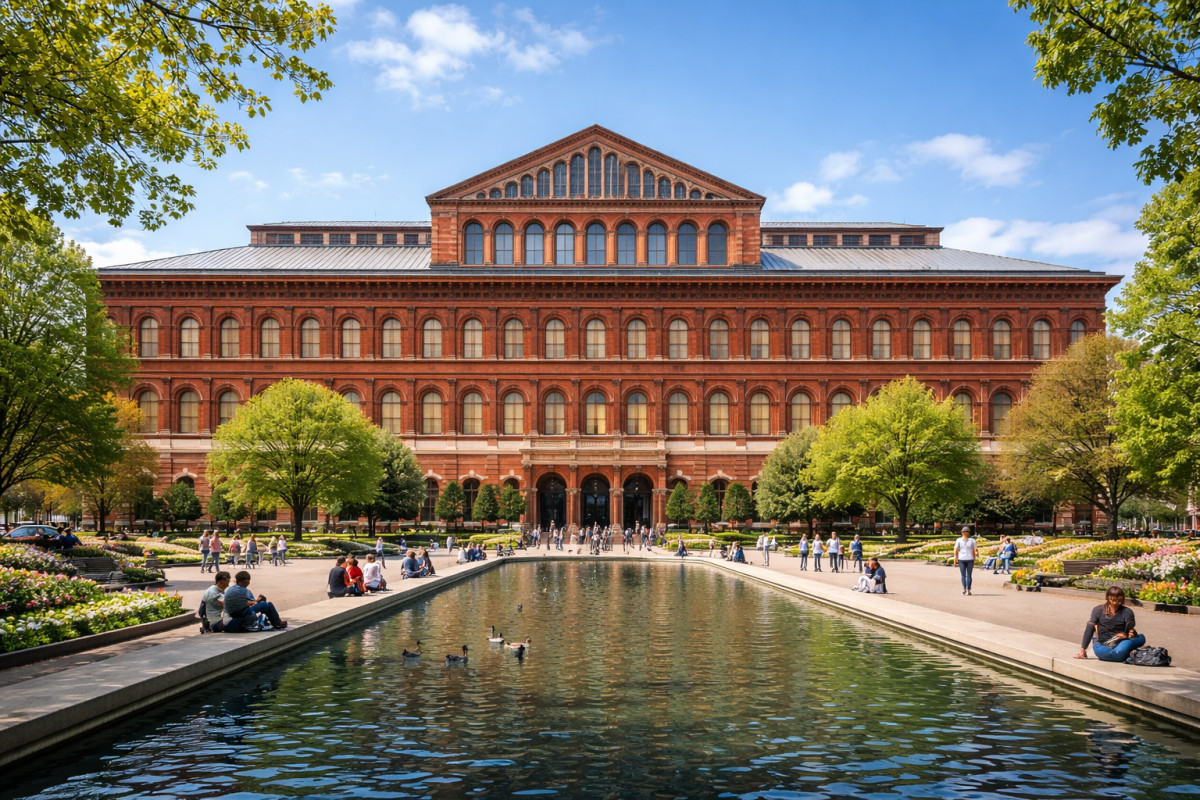
An architectural marvel
The National Building Museum stands as a monumental tribute to the art and science of architecture, engineering, and urban planning. Housed within a magnificent edifice that is itself a masterpiece of American design, this institution offers visitors an unparalleled exploration into the built environment. It transcends mere display, inviting a deeper understanding of how our surroundings are conceived, constructed, and continually evolve. From intricate models showcasing visionary projects to immersive installations detailing historical and contemporary building practices, the museum serves as a vital educational hub for all ages, fostering a critical appreciation for the structures that define our world. The museum's home, the former Pension Bureau Building, is a breathtaking example of Renaissance Revival architecture. Its colossal scale and distinctive features immediately command attention. The building's exterior, crafted from brick, presents a fortress-like grandeur, but it is the interior that truly captivates with its overwhelming sense of space and meticulously crafted details.
The great hall
Stepping into the Great Hall is an experience of sheer awe. This monumental space, soaring 159 feet to a coffered ceiling, is supported by eight colossal Corinthian columns, each 75 feet high and eight feet in diameter. These columns are not merely structural elements; they are decorative statements, meticulously crafted and dominating the expansive atrium. Their intricate capitals and fluted shafts are a testament to the classical influences embraced by the building's architect, Montgomery C. Meigs. The hall’s open design allows an incredible amount of natural light to flood the space through clerestory windows, highlighting intricate details of the brickwork and providing a sense of grandeur rarely found elsewhere in American public architecture. It regularly hosts major public events, prestigious galas, immersive art installations that transform its vast volume, and even indoor sports activities for children's programs, leveraging its dramatic proportions to create truly unforgettable experiences for hundreds, if not thousands, of visitors simultaneously. "The Great Hall isn't just a space; it's an immersive statement on the power and beauty of human-made structures, a silent testament to architectural ambition, inviting reflection on the monumental achievements of design and construction."
Terracotta frieze
Circling the entire exterior of the building just below the roofline is an elaborate terracotta frieze, a unique and compelling feature that blends historical narrative with architectural ornamentation. This extraordinary artwork, nearly 1,200 feet long, depicts a continuous parade of over a thousand figures representing the various roles involved in the Civil War, from soldiers marching to nurses tending the wounded and civilians watching the procession. It's a poignant historical narrative sculpted in clay, offering a unique blend of architectural ornamentation and social commentary that reflects the building's original purpose. Visitors can spend considerable time deciphering its intricate details, discovering new layers of meaning and historical context with each observation, recognizing the human element behind large-scale societal endeavors.
Exploring innovative exhibits
The National Building Museum is renowned for its dynamic and thought-provoking exhibitions that delve into every facet of the built environment. These are not static displays behind velvet ropes; rather, they are often immersive, interactive, and designed to provoke curiosity and critical thinking. Unlike traditional museums that might focus solely on art or history, this institution uniquely positions itself at the intersection of design, engineering, and social impact. The curatorial approach frequently employs a multidisciplinary lens, examining how architecture and construction affect everything from public health to economic development, and from cultural identity to environmental sustainability. Each exhibit is meticulously designed to be both informative and engaging, utilizing a variety of media from large-scale models and intricate blueprints to digital simulations and sensory experiences that appeal to a diverse audience.
Permanent collections and thematic displays
While the museum frequently rotates temporary installations that keep its offerings fresh and topical, several core themes consistently resonate throughout its programming. These often explore the challenges and triumphs of modern construction techniques, the evolution of specific architectural styles across different eras and cultures, and the profound impact of design on the quality of life within communities. Visitors might encounter exhibitions detailing the construction of iconic American infrastructure projects, or perhaps a deep dive into the history of residential housing, showcasing everything from early colonial homes to contemporary sustainable dwellings. The museum also frequently tackles pressing issues like the global imperative for sustainable design, innovative solutions for affordable housing, and the future trajectory of urban centers in the face of population growth and technological advancement. You might experience detailed scale models of entire city blocks, interactive simulations demonstrating structural integrity under various conditions, or compelling photographic essays chronicling urban transformation from historical perspectives to futuristic visions. The sheer breadth of topics ensures that there is always something to pique the interest of any visitor, regardless of their background in architecture.
Interactive installations
A hallmark of the museum and a core reason for its broad appeal is its unwavering commitment to interactivity. Many exhibits are explicitly designed to invite direct participation, allowing visitors, from eager school children to seasoned professionals, to physically construct, creatively design, or intuitively manipulate elements to grasp complex architectural and engineering principles firsthand. Imagine building your own miniature skyscraper with specialized blocks, designing a sustainable community using digital tools, or experiencing the physics of a arch bridge through a hands-on experiment. These interactive zones are crucial for transforming abstract concepts into tangible, memorable lessons, making the learning process engaging and enjoyable for all ages. They demystify the complexities of structural engineering, spatial planning, and material science, turning theoretical knowledge into practical understanding through play and exploration. "The museum excels at making the invisible visible, turning the often-overlooked details of our built world into subjects of fascination and profound insight, fostering a deeper connection to the spaces we inhabit."
Current highlights (generalized examples)
Visitors should always check the museum's official schedule for the most up-to-date offerings, but typical exhibits that showcase the museum's breadth and depth might include:
- The landscape of today's cities
An exploration of urban planning challenges and innovative solutions across global metropolises, examining concepts like smart cities and community resilience. - Engineering feats
Showcasing the ingenuity behind bridges, skyscrapers, and infrastructure projects, often with interactive models that allow visitors to test structural stability or explore material science. - Designing for the future
Focusing on sustainable architecture, green building practices, and resilient urban design in the face of climate change, featuring cutting-edge materials and energy-efficient designs. - Architectural photography and art
Stunning visual narratives capturing the beauty, complexity, and human stories within built spaces worldwide, often exploring themes of identity, memory, and transformation. - Play, work, build
Interactive areas where visitors of all ages can engage in hands-on activities, constructing with large blocks or designing virtual spaces, learning fundamental principles through creative play.
Each visit promises fresh perspectives on how buildings shape our lives, define our cultures, and influence the trajectory of human civilization.
Plan your group visit
For educational excursions, corporate outings, or large family gatherings to the National Building Museum, consider the ease and convenience of professional group transportation. Traveling together not only enhances the shared experience but also simplifies logistics in a busy city, removing the stress of navigation, parking, and coordinating multiple vehicles. Whether you're organizing a school trip to explore architectural wonders, a university visit for students of urban planning, or a company retreat focused on urban development and design, a dedicated charter bus provides unparalleled comfort, reliability, and punctuality. This allows your group to arrive refreshed and ready to fully engage with the museum's incredible offerings, ensuring a seamless and enriching experience from start to finish. Leave the complexities of city driving and parking to the experts, and focus on the discovery ahead.
Discover hassle-free travel solutions for your next group adventure: Bus Rental
How to get there from downtown Washington
The National Building Museum is conveniently located in the heart of Washington, D.C., making it easily accessible from most downtown locations and a central point for exploring other nearby attractions. Its prime location ensures multiple transit options are readily available for visitors.
By metro
The quickest and most efficient way to reach the museum from downtown is often via the Metrorail system, Washington D.C.'s extensive subway network.
- Red Line
The museum is directly above the Judiciary Square Metro station. Visitors simply need to follow the clear signage for exits marked "National Building Museum" to emerge just steps from the main entrance. - Green/Yellow Lines
If you are traveling on the Green or Yellow lines, you can alight at Gallery Place-Chinatown station, which is just a short, pleasant walk (approximately 5-7 minutes) from the museum. From the station, walk east on F Street NW, then turn right onto 4th Street NW, and the magnificent museum building will be prominently visible on your left.
By bus
Several Metrobus routes serve the area immediately surrounding the National Building Museum, providing flexible transportation options.
- Routes
For the most current and specific route information, it is highly recommended to check the Washington Metropolitan Area Transit Authority (WMATA) website or use a real-time bus tracking app. However, buses like the X2, D4, and 80 often have stops within a few blocks of the museum. Key stops are typically found on F Street NW or G Street NW, or along 5th Street NW. Consult a real-time bus tracker for the most up-to-date information and the nearest stop to your starting point.
Walking or rideshare
From many downtown hotels and attractions, the museum is within a pleasant and manageable walking distance, allowing visitors to take in the city's vibrant streetscapes.
- From Capitol Hill
A straightforward walk (about 15-20 minutes) west on F Street NW will lead you directly to the museum's grand façade. - From Penn Quarter
It's a very short walk (5-10 minutes) northeast, passing by various eateries and shops. - Rideshare services
(Uber, Lyft, etc.) are readily available throughout Washington D.C. and can drop you off directly at the museum's main entrance located at 401 F Street NW. This offers door-to-door convenience, especially if traveling with small children, those with mobility concerns, or when time is of the essence.
Parking
While the National Building Museum does not operate its own dedicated parking lot for visitors, numerous public parking garages are available for a fee in the surrounding Judiciary Square and Penn Quarter neighborhoods. These are typically paid garages with varying rates. On-street parking in downtown D.C. can be extremely scarce and is often subject to strict time limits and complex regulations, including rush hour restrictions, so public transportation or rideshare services are generally recommended as the most stress-free options for reaching the museum.
Visitor engagement and programs
Beyond its static exhibits, the National Building Museum is a vibrant center for public discourse and engagement on topics related to design and the built environment. It frequently hosts a diverse array of lectures, panel discussions, film screenings, and hands-on workshops that bring together leading architects, urban planners, engineers, and thought leaders from around the globe. These programs offer unique opportunities for deeper learning and interaction, exploring current trends, historical precedents, and future possibilities in the realm of building and design.
Educational initiatives
The museum is deeply committed to educating the next generation of designers, engineers, and informed citizens. It offers extensive educational programs specifically tailored for school groups, engaging summer camps for children that blend creativity with construction, and family-friendly activities designed to make learning about architecture both fun and accessible. These programs often include hands-on building projects that teach structural principles, guided tours focused on specific architectural themes, and interactive storytelling sessions that connect design to human experience. These initiatives aim to inspire curiosity and critical thinking about the spaces we inhabit from an early age. "The museum doesn't just display; it inspires, cultivating a deeper appreciation for the ingenuity that shapes our world and empowering visitors to envision its future through thoughtful design and construction."
Shop and amenities
The Museum Shop offers a thoughtfully curated selection of books on architecture, design, and urbanism, alongside unique gifts, educational toys related to building and construction, and artisan crafts. It's an excellent place to find souvenirs that commemorate your visit or to delve deeper into subjects sparked by the museum's exhibits. The museum also provides visitor amenities including fully accessible facilities, a convenient café for refreshments and light meals, and comfortable seating areas throughout the Great Hall, making it a comfortable destination for extended exploration and enjoyment.
Community impact
As a prominent cultural institution in Washington D.C., the National Building Museum plays a crucial and multifaceted role in fostering public understanding and appreciation for the built environment. It champions the importance of well-designed spaces, sustainable practices, and inclusive urban development, influencing discussions that shape communities not only locally but nationally and internationally. Its commitment to showcasing innovative ideas, challenging conventional thinking, and engaging the public in critical dialogue about the spaces we create makes it a vital resource for anyone interested in how we construct our world and, by extension, our future. It serves as a forum for professionals and the public alike to explore the complex relationship between people and places.