National Museum of the Marine Corps in Washington
National Museum of the Marine Corps in Washington
A profound journey into marine corps valor
The National Museum of the Marine Corps offers an unparalleled expedition into the rich tapestry of Marine Corps history, valor, and enduring spirit. Nestled near Quantico, Virginia, just a short distance from Washington D.C., this institution serves as a national tribute to every Marine, past and present. It is far more than a repository of artifacts; it is an immersive narrative designed to transport visitors directly into the experiences that have forged the Marine Corps' legendary reputation.
Immersive galleries and exhibits
Visitors are immediately enveloped in meticulously crafted environments that bring pivotal moments to life. The museum's core experience is structured through chronological galleries, each dedicated to a specific era of Marine Corps engagement. These spaces are not merely displays but theatrical stages where history unfolds around you, utilizing actual equipment, stunning visual effects, and authentic soundscapes.
The World War I gallery, for instance, thrusts guests into the muddy, harrowing trenches of Belleau Wood. You can almost feel the chill and hear the distant echoes of battle as you navigate the recreated landscapes. This section profoundly illustrates the Corps' early 20th-century evolution and its crucial role in the "War to End All Wars."
The museum is a living testament to courage, sacrifice, and the unwavering commitment of Marines across generations.
Moving into the World War II gallery, the scale dramatically shifts to the vastness of the Pacific theater. Iconic battles like Iwo Jima, Guadalcanal, and Tarawa are depicted with breathtaking realism. Full-scale dioramas featuring landing craft, jungle foliage, and the stark volcanic landscapes immerse visitors in the brutal realities faced by Marines. You can observe authentic weaponry, uniforms, and personal effects, each telling a story of resilience and strategic prowess against formidable odds.
The Korean War gallery provides a chilling account of the "Frozen Chosin" reservoir campaign. The biting cold of winter combat is conveyed through environmental design, bringing home the sheer endurance required. From there, the journey continues to the dense jungles and strategic outposts of Vietnam, showcasing the complexities and challenges of that conflict, with recreations of firebases and the psychological warfare tactics employed.
The museum culminates with galleries dedicated to the post-9/11 era and modern global operations, highlighting the contemporary relevance and adaptability of the Marine Corps. Here, the focus shifts to urban combat scenarios, technological advancements, and the ongoing dedication to global stability. Each artifact, from Humvees to sophisticated communication gear, underscores the modern Marine's multifaceted role.
Aircraft and vehicle displays
Beyond the chronological galleries, the museum boasts an impressive collection of historical aircraft and vehicles, many of which are displayed in dynamic poses, as if caught in mid-action. From iconic helicopters like the "Huey" that defined the Vietnam War to early fighter planes, these aerial behemoths offer a tangible link to the technological evolution and operational scope of the Marine Corps. Similarly, tanks, amphibious assault vehicles, and other ground transport illustrate the logistical and combat capabilities developed over decades.
The semper fidelis memorial chapel
A short walk from the main museum building, the Semper Fidelis Memorial Chapel offers a place of quiet reflection and remembrance. Its striking, modern design, incorporating natural light and serene landscaping, provides a poignant counterpoint to the intensity of the combat galleries. It’s a space where visitors can honor the fallen, contemplate the sacrifices made, and appreciate the spiritual dimension of service. The chapel also serves as a popular venue for military weddings and memorial services, further cementing its role as a living memorial.
Outdoor monuments and heritage trail
The museum's expansive grounds are equally significant, featuring various outdoor monuments, plaques, and a heritage trail. These external installations extend the narrative, allowing for a more reflective pace as visitors consider the broader impact of Marine Corps actions. The trail winds through landscapes designed to evoke different theaters of war, offering another layer of contextual immersion and a peaceful setting for contemplation.
For groups planning an unforgettable visit, especially with the considerable amount of ground to cover and the emotional depth of the exhibits, consider the convenience and comfort of organized transport. Streamline your journey and ensure everyone arrives together, ready to explore this vital institution.
Book your group transportation now: Bus Rental
Getting to the museum from washington D.C.
The National Museum of the Marine Corps is located at 18900 Jefferson Davis Hwy, Triangle, VA 22172, approximately 36 miles south of Washington D.C. While not directly in the city, its proximity makes it a highly accessible and rewarding day trip. Planning your transportation is crucial for a smooth visit.
By car
Driving is generally the most straightforward and recommended method of reaching the museum from downtown Washington D.C. The journey typically takes between 45 minutes to an hour and a half, depending on traffic conditions, particularly during peak commuting times.
- Head south on I-395 S from downtown D.C.
- Merge onto I-95 S toward Richmond.
- Take Exit 150A for US-1 S toward Quantico.
- The museum entrance will be on your right, clearly marked, shortly after exiting.
There is ample free parking available on-site, accommodating both personal vehicles and larger group buses.
Public transportation options
While public transportation is an option, it requires multiple transfers and can be more time-consuming than driving. It is less direct and potentially less convenient for a visit focused solely on the museum.
- Virginia Railway Express (VRE) You can take the Fredericksburg Line of the VRE from Union Station in D.C. or various stations in Northern Virginia to the Quantico station. The VRE operates primarily during weekday commuter hours, so check their schedule carefully.
- From Quantico Station Once at the Quantico VRE station, the museum is still several miles away. You would need to arrange for a taxi, rideshare service (Uber/Lyft), or potentially a local bus if available, though direct routes to the museum are limited and not always reliable. It's advisable to pre-book a taxi or rideshare from Quantico if you choose this route.
Given the museum's somewhat isolated location relative to public transport hubs, driving or utilizing a dedicated charter service often provides the most comfortable and efficient experience, especially for those unfamiliar with the area or traveling with families.
Beyond the exhibits a deeper understanding
The museum excels not only in presenting historical events but also in conveying the core values and ethos of the Marine Corps: honor, courage, and commitment. Through personal narratives, interactive displays, and the sheer scale of its presentations, visitors gain a profound appreciation for the sacrifices made and the enduring legacy of the Marines.
Every detail, from the sound effects to the carefully placed artifacts, contributes to an emotional and intellectual experience that transcends simple observation.
One of the most compelling aspects is the way individual stories are woven into the grand narrative of battles and campaigns. Letters home, personal equipment, and photographs of Marines humanize the large-scale conflicts, making the experience deeply personal and resonant. This approach ensures that the visitor connects not just with history, but with the human element at its heart.
Educational programs and special events further enrich the museum's offerings. These range from veteran discussions to historical reenactments, providing additional layers of engagement and opportunities for deeper learning. The museum frequently hosts visiting dignitaries and active-duty Marines, offering unique perspectives on contemporary service.
Architectural significance
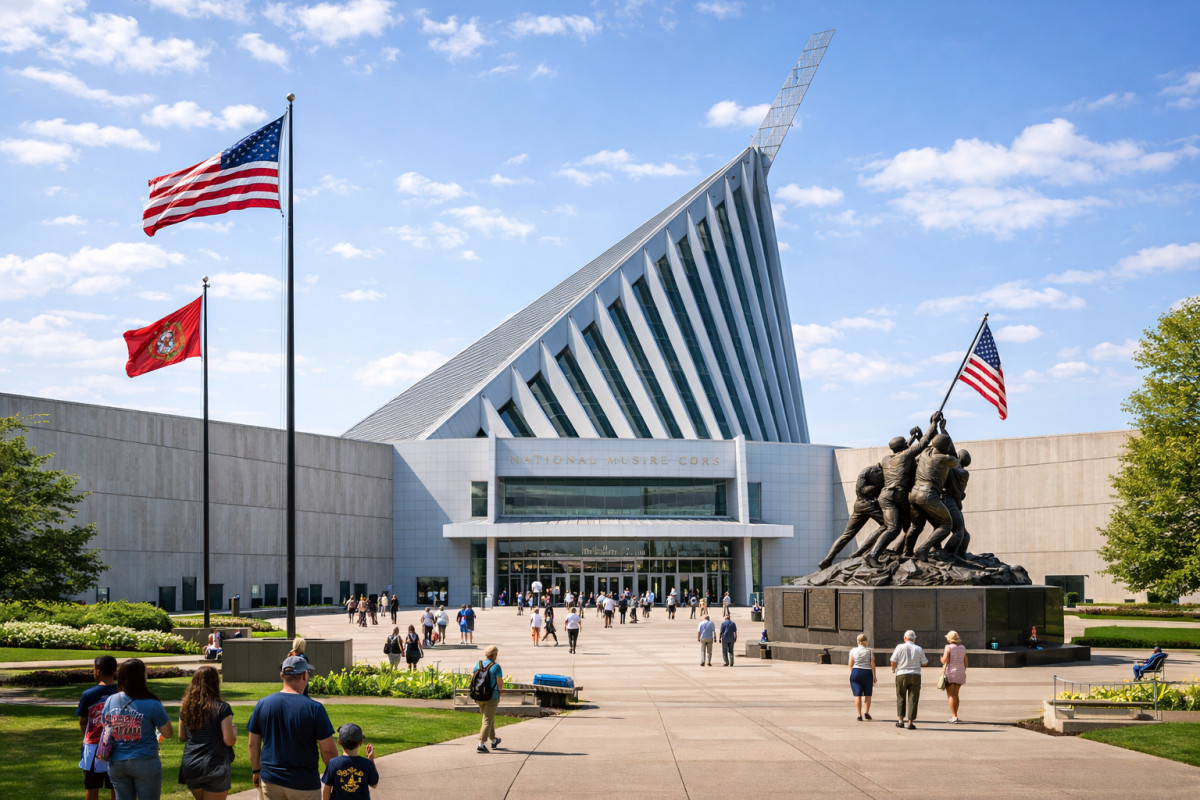
The building itself is a masterpiece of design, purposefully echoing the iconic image of the flag raising on Iwo Jima. Its striking architecture, with a soaring glass atrium and dramatic angles, is a powerful visual metaphor for the ascent of the American flag and the indomitable spirit of the Marines. This architectural homage sets the tone for the entire visitor experience, serving as a constant reminder of the profound symbolism embedded within the institution.
In essence, the National Museum of the Marine Corps is an indispensable destination for anyone seeking to understand the profound impact of the U.S. Marine Corps on American and world history. It’s an educational journey that leaves a lasting impression, fostering respect and admiration for those who have served and continue to serve.