National Zoo Conservation Biology Institute in Washington
National Zoo Conservation Biology Institute in Washington
A global epicenter for wildlife conservation
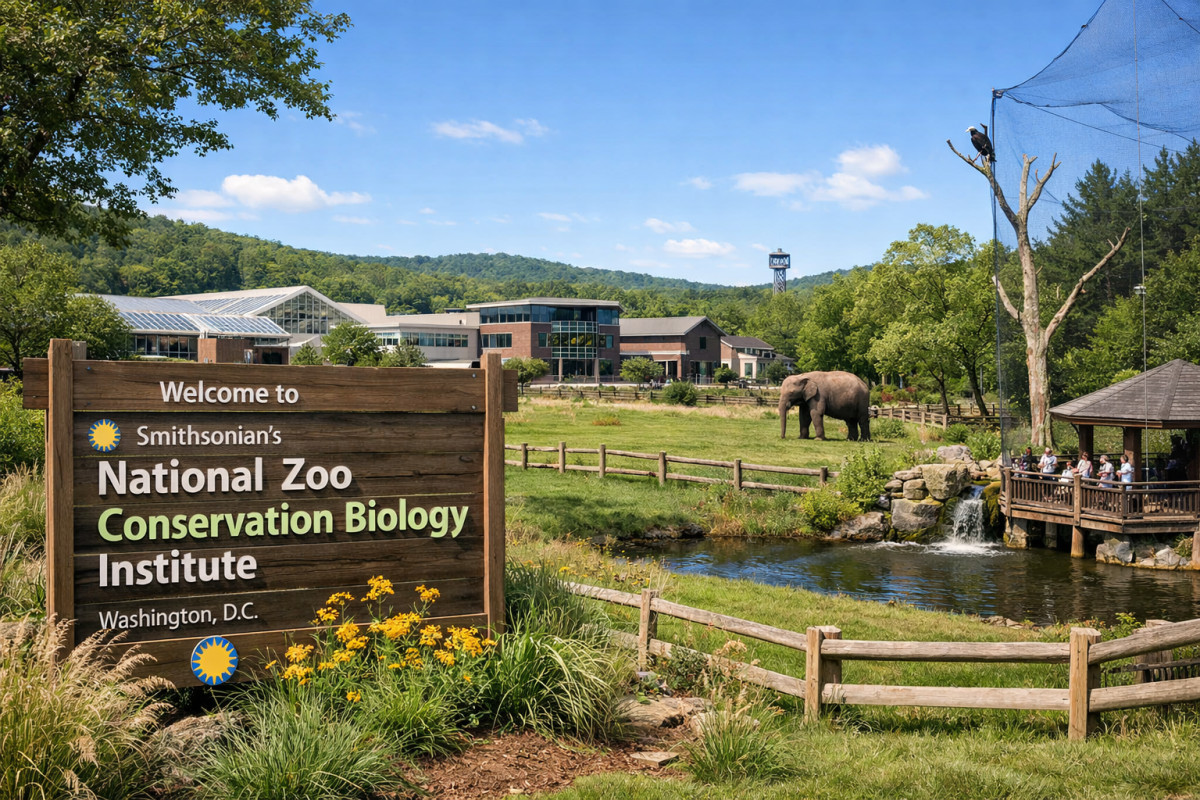
The Smithsonian’s National Zoo and Conservation Biology Institute (NZCBI) emerges as an unparalleled force in the global campaign to safeguard Earth's dwindling biodiversity. Far exceeding the conventional role of a public zoo, it operates as an intricate, sprawling network comprising world-renowned scientists, pioneering researchers, and passionately committed conservationists. Their collective expertise is channeled into a relentless pursuit of understanding, preserving, and ultimately revitalizing wildlife populations alongside their indispensable habitats across every continent. NZCBI stands at the vanguard of scientific exploration, continually forging and deploying innovative, data-driven strategies designed to confront the most formidable conservation challenges of our epoch. From the intricate genetic blueprints of critically endangered species, which inform cutting-edge breeding programs, to the delicate interplay governing ecosystem health, the institute's multifaceted endeavors yield an essential trove of knowledge and tangible, implementable solutions that resonate globally. Their long-term commitment translates into impactful change, pushing the boundaries of what is possible in wildlife protection.
Pioneering research initiatives
Central to NZCBI’s monumental impact are its avant-garde research programs, which span a breathtaking breadth of scientific disciplines. These encompass the nuanced fields of reproductive biology, where the secrets of animal propagation are unraveled; population ecology, scrutinizing the dynamics of animal communities; sophisticated animal health diagnostics and therapeutics; and advanced conservation genetics, mapping the genetic diversity vital for species resilience. Scientists at NZCBI are equipped with state-of-the-art technologies and robust methodologies, enabling them to decipher the complexities of the animal kingdom, often with a laser focus on species teetering precariously on the brink of extinction. Their pioneering work in reproductive physiology, for instance, has catalyzed pivotal breakthroughs in assisted reproduction techniques – including artificial insemination, cryopreservation of gametes, and embryo transfer – for iconic species such as the majestic giant pandas, the swift cheetahs, and the elusive black-footed ferrets. These direct interventions are indispensable to both captive breeding and subsequent reintroduction initiatives, forming a cornerstone of species recovery efforts. Furthermore, the institute's unwavering commitment to elucidating disease transmission pathways and engineering proactive preventative measures robustly shields vulnerable wildlife populations from novel and emerging threats, epitomizing a truly holistic and forward-thinking paradigm for conservation. This integrated approach ensures that research findings are not academic exercises but direct inputs into actionable conservation strategies.
Species survival strategies
NZCBI plays an absolutely critical role in the meticulous development and resolute execution of comprehensive species survival plans (SSPs). These are not mere guidelines but intricately detailed, scientifically informed roadmaps engineered to ensure the enduring viability of endangered species populations for generations to come. This arduous process involves rigorous genetic management, a crucial element for safeguarding intrinsic diversity and preventing inbreeding depression. It includes meticulously planned and expertly executed strategic breeding programs designed to organically boost population numbers and, vitally, sophisticated reintroduction initiatives aimed at bolstering and re-establishing populations within their native wild habitats. The institute fosters extensive and enduring collaborations with a vast array of global partners, from governmental agencies to local communities, facilitating an invaluable exchange of specialized expertise, advanced technologies, and critical resources. This collaborative synergy significantly amplifies the reach and efficacy of conservation outcomes. Their exemplary efforts with species like the majestic California condor, pulled back from the precipice; the vibrantly colored Panamanian golden frog, a sentinel for amphibian decline; and a multitude of diverse avian species, often facing habitat fragmentation, powerfully illustrate a proactive, persistent, and scientifically grounded dedication to reversing the tide of species decline. These successes unequivocally demonstrate that precisely targeted, evidence-based scientific intervention possesses the transformative power to make an indelible and profoundly positive difference in the fate of countless species.
At its core, conservation transcends the simple act of saving individual animals; it is about preserving the intricate, interconnected web of life that sustains every living being, a profound commitment NZCBI personifies through its tireless scientific inquiry and its expansive global alliances.
Engaging with cutting-edge conservation
For every visitor stepping through the gates of the Smithsonian's National Zoo, there exists an immediate and palpable connection to the monumental work undertaken by NZCBI. While the majority of the intensive, specialized scientific research unfolds within the state-of-the-art facilities located in Front Royal, Virginia, the main zoo campus in Washington D.C. serves as an absolutely vital conduit. It masterfully translates complex conservation science into profoundly accessible, engaging, and genuinely inspiring experiences for a diverse public audience. Far from merely displaying animals, the meticulously designed exhibits are crafted with a dual purpose: to enthrall visitors while simultaneously educating them about the acute conservation challenges these magnificent species confront daily, and to highlight the proactive, pivotal roles NZCBI plays in their struggle for survival. Each exhibit becomes a storytelling platform, revealing the science behind the spectacle.
Witnessing conservation in action
One of the most compelling and enriching aspects of a zoo visit is the opportunity to witness firsthand how NZCBI’s research findings are seamlessly integrated into the daily protocols of animal care and the innovative design of exhibits. Take, for instance, the globally renowned giant panda exhibit, home to beloved conservation ambassadors whose presence is a direct testament to decades of NZCBI’s unparalleled work in reproductive biology and advanced veterinary science. Here, visitors are not just observing; they are learning about the institute's crucial role in unraveling the complexities of panda behavior, optimizing their specialized bamboo diet, and understanding their unique breeding cycles – all indispensable components of a remarkably successful international conservation program. In a similar vein, the dynamic cheetah exhibit vividly illuminates the ongoing research into their genetics and sophisticated population management strategies. It eloquently showcases the breathtaking speed and unparalleled agility of these magnificent predators while concurrently underscoring the severe threats they encounter in their diminishing wild habitats and the precise, evidence-based strategies being rigorously employed for their protection and future viability. The daily lives of these animals become a living textbook of scientific progress.
Biodiversity hotspots explored
The zoo’s extraordinarily diverse and meticulously curated collection of animals offers a profound, tangible link to the global biodiversity hotspots where NZCBI scientists are actively engaged in critical fieldwork. The immersive Amazonia exhibit, for example, expertly transports visitors into the heart of a lush tropical rainforest environment, featuring an incredible array of species from diverse fish and slow-moving sloths to vibrant, exotic birds. This exhibit serves as a powerful educational platform, offering invaluable insights into NZCBI’s dedicated efforts to protect the extraordinarily fragile and complex ecosystems found across South America. The unassuming yet vital Small Mammal House, showcasing a variety of lesser-known but equally critical species, frequently provides an opportune forum to delve into smaller-scale yet immensely impactful conservation projects. These might include targeted initiatives focusing on endangered local amphibian populations, which are often indicators of environmental health, or specific programs dedicated to threatened rodent species whose roles in their ecosystems are often overlooked. Every single animal’s presence within the zoo’s carefully designed habitats narrates a compelling story of resilience, scientific discovery, and the profound human endeavor dedicated to safeguarding nature's endlessly intricate and awe-inspiring tapestry. These narratives inspire visitors to become part of the solution.
Every creature, from the largest elephant to the smallest frog, housed at the National Zoo, serves as a living emblem of the unwavering dedication of conservation biologists globally, ceaselessly striving to secure a vibrant future for all species, a future that emphatically begins with deep understanding and decisive action.
Most interesting things to see and experience
Beyond the sheer, unadulterated delight of observing an astonishingly vast array of wildlife from around the globe, the National Zoo presents truly unparalleled opportunities to forge a profound connection with both the urgency and the remarkable successes of modern conservation science.
Giant panda viewing
Unquestionably, the iconic giant pandas remain a perennial, beloved highlight for visitors of all ages. Observing these globally recognized ambassadors of conservation offers an immediate, tangible connection to one of the planet's most impactful and enduring international conservation collaborations. As you watch them, you can learn extensively about their highly specialized bamboo diet, their endearing and unique behaviors, and the decades of intensive, groundbreaking research meticulously undertaken by NZCBI. This research has played an instrumental role in fostering a significant and heartening increase in their wild populations, a testament to dedicated scientific effort. The spacious, naturally landscaped outdoor enclosures provide an ideal, serene setting for quietly observing their often-playful antics or their characteristic, deliberate bamboo munching.
Cheetah run
For a truly unforgettable spectacle, endeavor to time your visit to coincide with a scheduled cheetah run demonstration. This absolutely incredible experience breathtakingly showcases the extraordinary, unparalleled speed and raw athleticism of these magnificent big cats, the fastest land animals on Earth. The demonstration is frequently accompanied by insightful, engaging commentary from expert keepers who meticulously explain the intricate physical adaptations that enable cheetahs to be such incredibly efficient hunters. Crucially, they also shed light on the severe conservation challenges these graceful predators currently face in the wild and detail NZCBI's cutting-edge research into their critical genetics and reproductive health, vital for their long-term survival.
Elephant trails
The sprawling Elephant Trails exhibit is far more than just a home for the zoo's cherished Asian elephants; it functions as a vibrant, living laboratory and an interactive educational hub. Here, visitors are encouraged to delve into the complex challenges elephants confront in their natural habitats, such as pervasive habitat loss due to human expansion and the relentless threat of poaching for ivory. More importantly, the exhibit highlights how NZCBI's pioneering research into elephant communication, their intricate social structures, and their advanced veterinary health requirements contributes profoundly to their sustained welfare both in human care and, critically, to their long-term survival in their native wild habitats. The expansive, thoughtfully designed enclosures allow for extended, immersive observation of their complex and fascinating social dynamics, offering a glimpse into their rich emotional lives.
Bird house and wetlands
Recently subjected to a monumental, transformative renovation, the Bird House now stands as an architectural and ecological marvel of immersive design. Visitors are invited to embark on a captivating journey, walking directly through distinct aviaries that meticulously represent diverse global ecosystems, ranging from vital wetlands teeming with life to lush, vibrant tropical forests. This breathtaking exhibit powerfully underscores NZCBI's paramount work in global avian conservation, focusing particularly on migratory species that face threats across vast distances and those gravely endangered by escalating habitat degradation worldwide. The extraordinary opportunity to walk among free-flying birds, experiencing their presence just inches away, provides a truly unique, intimate, and unforgettable perspective on their delicate beauty, intricate behaviors, and inherent vulnerability, fostering a deeper appreciation for their survival.
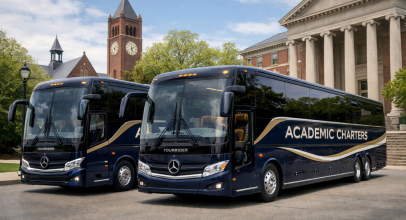
Consider enhancing your visit with a group. For larger parties looking for comfortable, convenient, and stress-free transportation to the wonders of the Smithsonian's National Zoo and the scientific marvels of NZCBI, a dedicated bus rental service offers an absolutely ideal and efficient solution. Enjoy a seamless, environmentally conscious journey directly from your chosen starting point to the zoo's welcoming entrance, allowing every member of your group to fully immerse themselves in the anticipation of the incredible experiences awaiting them. Whether planning an enriching school field trip, a unique corporate outing, a memorable family reunion, or any large gathering, secure group travel makes the entire experience effortless and enjoyable. Explore top-tier options for your next grand adventure by visiting Bus Rental
Visitor information
Getting there from downtown Washington DC
The Smithsonian's National Zoo is ideally situated within the picturesque Woodley Park neighborhood, offering effortless accessibility from the vibrant heart of downtown Washington D.C.
- By Metro The swiftest and most environmentally friendly way to reach the zoo is undeniably via the Metrorail system. Simply board the Red Line and disembark at the Woodley Park-Zoo/Adams Morgan station. From this point, it is a pleasant, gentle downhill walk of approximately 10-15 minutes, leading directly to the zoo's main pedestrian entrance. As an alternative, you may also take the Red Line to the Cleveland Park station, which also offers a short walk to the zoo, though it involves a slightly uphill gradient. Both stations are well-signposted.
- By Bus Multiple Metrobus lines conveniently serve the zoo's immediate vicinity. Specifically, the 96, H2, H3, and H4 buses have designated stops located directly outside the zoo's primary gates along bustling Connecticut Avenue. For optimal planning and real-time route information from your precise downtown location, we highly recommend utilizing a reliable trip planner application.
- By Car While driving to the zoo remains an option, prospective visitors should be keenly aware that on-site parking is inherently limited and tends to fill up very rapidly, particularly during peak visitation periods such as weekends, school holidays, and special events. Paid parking lots are indeed available on the zoo premises. To ensure a smoother experience and avoid potential frustration, be mindful of peak traffic times and strongly consider utilizing alternative transportation methods to circumvent congestion.
- Ride Share/Taxi Taxis and various ride-share services are consistently and readily available throughout downtown D.C. These convenient options can provide direct, door-to-door service, dropping you off precisely at the zoo's main entrance, offering maximum convenience, especially for families with young children or those with mobility considerations.
Approximate visitation prices
Crucially, general admission to the Smithsonian's National Zoo and Conservation Biology Institute is entirely free for all visitors. This unwavering policy is a direct embodiment of the overarching mission of the esteemed Smithsonian Institution: to provide universally free and equitable public access to its world-class museums, galleries, and research facilities.
While the primary gate admission carries no cost, it is important to note that certain supplementary services, amenities, and optional experiences may incur charges:
| Item | Approximate Price Range | Notes |
|---|---|---|
| General Admission | Free | No advanced ticket reservation required for entry, but timed passes may be needed during peak seasons. |
| Parking (per vehicle) | $30 - $40 | Rates are subject to dynamic pricing based on demand; online pre-booking is highly recommended. |
| Carousel Rides | $3 - $5 per ride | A delightful, optional attraction for children; tickets can be purchased at the ride location. |
| Train Rides | $3 - $5 per ride | An enjoyable way to see parts of the zoo; tickets available for purchase on-site. |
| Special Events | Varies | Exclusive temporary exhibits, behind-the-scenes tours, or evening programs may have separate fees. |
| Food & Beverages | Varies | A wide selection of eateries, cafes, and snack kiosks offering diverse options. |
| Gift Shop Items | Varies | Souvenirs, educational toys, apparel, and books are available at multiple retail outlets. |
Note: All listed prices are approximate and are unequivocally subject to change without prior notice. For the most accurate, up-to-date, and comprehensive information regarding entry requirements, operating hours, and all associated costs, visitors are strongly advised to consult the official National Zoo website directly prior to their planned visit.