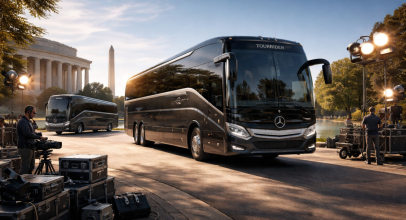
Smithsonian National Zoological Park in Washington
Smithsonian National Zoological Park in Washington
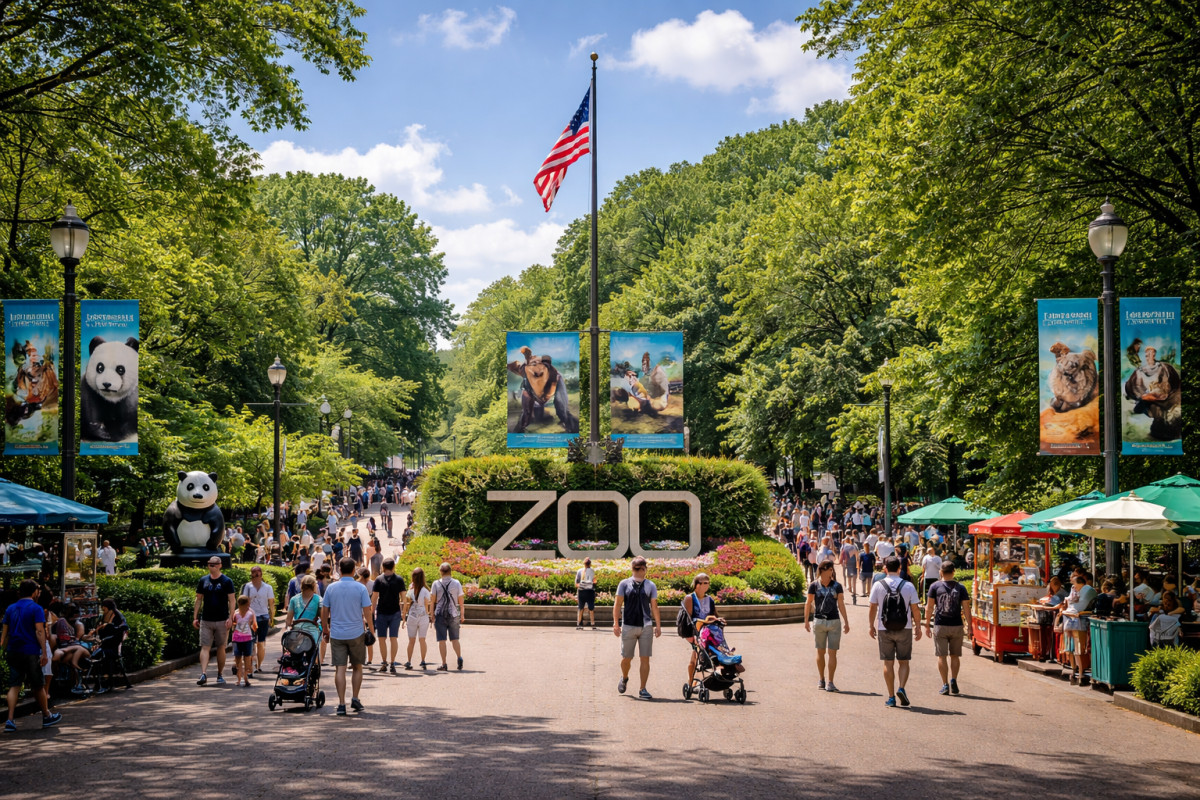
The Smithsonian National Zoological Park in Washington D.C. stands as a beacon of wildlife conservation and public engagement, offering an extraordinary journey into the animal kingdom without an admission fee. As a vital component of the Smithsonian Institution, this expansive 163-acre living classroom is not merely a collection of animals but a vibrant research facility dedicated to saving species and educating millions. Visitors are invited to explore meticulously crafted habitats that span diverse ecosystems, fostering a deep connection with nature and highlighting critical global conservation efforts.
Exploring the zoo's diverse habitats
Each corner of the National Zoo presents an opportunity for discovery, with habitats carefully designed to mimic the natural environments of its inhabitants, encouraging natural behaviors and providing enriching experiences for both animals and visitors. The immersive pathways lead through continents, introducing a spectacular array of species and their unique stories.
The giant panda experience
Undoubtedly, the most internationally recognized residents are the beloved giant pandas. The National Zoo has played a pivotal role in giant panda conservation, achieving significant milestones in breeding and research that have contributed immensely to the survival of this endangered species. The exhibit offers an intimate glimpse into their lives, from their bamboo-filled mealtimes to their leisurely climbs on intricate structures. Interactive displays detail the complex science behind their care and the extensive global partnerships crucial for their future. The famous "panda cam" also extends their reach worldwide, allowing remote viewers to connect with these charismatic creatures, further amplifying the zoo's message of conservation.
The captivating presence of the giant pandas serves as a powerful symbol of international collaboration and unwavering commitment to preserving the planet's most vulnerable treasures. They inspire a universal sense of wonder and responsibility.
Observing the pandas' tranquil yet playful demeanor offers a profound moment of reflection on biodiversity's delicate balance and the impactful role of human stewardship in safeguarding rare species.
Primate house and great ape trail
The Great Ape House and its extensive outdoor Great Ape Trail invite visitors into the complex social worlds of Western lowland gorillas, Bornean orangutans, and other fascinating primates. These thoughtfully designed enclosures allow for natural troop dynamics and display the remarkable intelligence and dexterity of these highly social animals. Watching an orangutan deftly navigate arboreal pathways or a gorilla family interact provides compelling insights into their behaviors and familial bonds. Educational signage throughout the exhibit emphasizes the urgent threats these species face in their native habitats, primarily due to deforestation and poaching, reinforcing the zoo's crucial conservation role.
Amazonia and the rainforest environment
Stepping into Amazonia is an immersive sensory journey to the heart of a South American rainforest. This exhibit features a stunning variety of species, from vibrant poison dart frogs and fearsome piranhas to sloths and anacondas, all thriving in a carefully controlled humid environment. The multi-level viewing platforms offer perspectives from the forest floor up to the canopy, allowing visitors to appreciate the incredible biodiversity and intricate ecological relationships of this vital biome. The massive freshwater aquarium, teeming with Amazonian fish, anchors the experience, while the lush greenhouse above simulates the sights, sounds, and even smells of a living rainforest, showcasing the interconnectedness of all life within this critical ecosystem.
Elephant trails and Asian elephants
The Elephant Trails exhibit is a testament to the zoo's dedication to the well-being and conservation of Asian elephants. This expansive habitat provides ample space for the herd to roam, socialize, and engage in natural behaviors, including swimming in the large water feature. Visitors often have the unique opportunity to observe positive reinforcement training sessions, which are essential for the elephants' health management and cognitive enrichment. These sessions highlight the profound intelligence and emotional depth of these magnificent creatures. The exhibit underscores the significant conservation challenges facing Asian elephants in the wild, primarily habitat loss and human-wildlife conflict, and the zoo's proactive efforts to protect them.
Cheetah conservation station
The Cheetah Conservation Station is dedicated to showcasing the incredible speed and agility of the world's fastest land mammal. With open, grassy habitats mimicking the African savannah, visitors can observe cheetahs up close and learn about their unique adaptations for high-speed pursuit. Beyond their athletic prowess, the exhibit delves into the social structures of these felines and the intensive conservation partnerships required to protect them from habitat fragmentation and declining prey bases. This station stands as a powerful reminder of the delicate balance of predator-prey dynamics and the zoo's commitment to preserving apex predators in their natural environments.
Bird house
The newly transformed Bird House is an architectural marvel and a deeply engaging experience. It features multiple free-flight aviaries, allowing visitors to walk directly among a diverse array of bird species from North and South America, Africa, and Asia. From colorful lorikeets flitting past to majestic raptors soaring above, the exhibit provides an unparalleled opportunity to observe avian life up close. Interactive displays highlight the varied songs, migratory patterns, and the critical importance of bird conservation across different biomes. The thoughtful design ensures a multi-sensory experience that is both educational and breathtaking, showcasing the immense beauty and ecological significance of bird populations worldwide.
Reptile discovery center
The Reptile Discovery Center offers an intriguing exploration into the often-misunderstood world of reptiles and amphibians. This exhibit houses a wide variety of snakes, lizards, turtles, and frogs from diverse global ecosystems. Through interactive displays and captivating live animal demonstrations, visitors gain insights into their unique evolutionary adaptations, vital roles in their respective food webs, and the critical importance of amphibians as bio-indicators of environmental health. It's an opportunity to appreciate the hidden beauty and ecological importance of these fascinating and ancient creatures.
Kids' farm and family zones
For the youngest explorers, the Kids' Farm provides a delightful, hands-on opportunity to interact with domestic animals such as goats, miniature donkeys, and alpacas. This engaging area fosters an early appreciation for animal care and farm life through direct contact and educational programming. Strategically placed throughout the zoo are various play areas and discovery zones, ensuring that families with children of all ages have an enjoyable and enriching visit. These zones are designed to spark curiosity and encourage imaginative play, solidifying the zoo's role as a family-friendly educational destination.
The Kids' Farm effectively bridges the gap between urban living and animal husbandry, instilling a fundamental sense of empathy and responsibility for animals, both wild and domesticated, in the next generation.
Commitment to global conservation
The Smithsonian National Zoological Park's mission extends far beyond entertainment; it is a global leader in wildlife conservation. Its renowned scientists conduct cutting-edge research in fields such as veterinary medicine, reproductive physiology, and animal behavior. The Smithsonian Conservation Biology Institute (SCBI), located in Front Royal, Virginia, serves as a crucial research and breeding facility, dedicated to endangered species recovery. The zoo actively participates in numerous Species Survival Plans (SSPs), working collaboratively with other zoos and conservation organizations worldwide to maintain genetically robust populations and facilitate reintroduction efforts for at-risk species. This profound dedication ensures that every visit to the zoo contributes to a larger, international effort to protect the planet's biodiversity through scientific innovation and direct action.
Planning your group adventure
A visit to the Smithsonian National Zoological Park is an enriching and memorable experience for any group, whether it's an educational field trip, a family reunion, or a corporate team-building outing. The zoo's vast exhibits, engaging educational programs, and inspiring conservation message offer something for everyone. To ensure a smooth, comfortable, and stress-free journey for your entire party, consider the unparalleled convenience of pre-arranged group transportation.
Eliminate the complexities of coordinating multiple vehicles, navigating traffic, and finding limited parking spots. A dedicated bus allows your group to travel together, fostering camaraderie and ensuring everyone arrives refreshed and ready to explore the wonders of the animal kingdom. This eco-friendly and efficient travel option enhances the overall experience, letting you focus solely on the adventure ahead. For seamless travel to and from the zoo, you can arrange a dedicated vehicle tailored to your group's specific needs. Explore options and secure your transportation with ease. Bus Rental
Opting for a private bus also provides the flexibility to adhere to your own schedule, customize pick-up and drop-off locations, and even plan additional stops in the D.C. area, transforming a simple trip into a comprehensive excursion. It's a smart logistical choice that maximizes enjoyment and minimizes hassle for large parties, ensuring that the focus remains on the incredible learning and discovery opportunities the National Zoo offers.
Essential visitor details
To maximize your visit to the Smithsonian National Zoological Park, understanding key logistical information regarding access and amenities is highly beneficial. While the fundamental experience of viewing the animals is free, certain additional services come with associated costs.
Admission and parking insights
One of the most appealing aspects of the National Zoo is its complimentary admission; there is no ticket required to enter the park and explore its vast animal exhibits. However, for those choosing to drive, on-site parking is available but often limited, particularly during peak seasons, weekends, and holidays. Parking carries a flat fee, and public transportation is frequently recommended as a more convenient and cost-effective alternative.
Approximate visitor costs
Please note that these are approximate costs and can fluctuate based on season, vendor, and specific item choices.
| Service/Item | Approximate Cost (USD) |
|---|---|
| Admission | Free |
| On-site Parking (non-member) | $30 - $40 (flat rate per vehicle) |
| Carousel Ride | $3.50 - $4.00 per ride |
| Zoo Choo-Choo Train Ride | $3.50 - $4.00 per ride |
| Bottled Water/Soda | $3 - $6 |
| Snack/Ice Cream | $5 - $10 |
| Full Meal (e.g., burger, fries, drink combo) | $15 - $25 per person |
| Souvenirs (e.g., plush toys, t-shirts) | Variable ($10 - $60+) |
| Locker Rental (limited availability) | $5 - $10 (per day) |
Navigating to the national zoo
The Smithsonian National Zoological Park is ideally situated in the picturesque Woodley Park/Adams Morgan neighborhood of Washington D.C., making it readily accessible from the city center. Public transportation is highly recommended as the most efficient way to reach the zoo.
- Metro Rail The most common approach is to take the Red Line to either the Woodley Park-Zoo/Adams Morgan station or the Cleveland Park station. Both stations are within a 10-15 minute walk from various zoo entrances. The walk from Woodley Park is generally considered slightly less steep and leads directly to the main pedestrian entrance. Be aware that the zoo grounds themselves are hilly, so comfortable walking shoes are essential.
- Metrobus Several Metrobus routes provide direct service to the zoo, often dropping passengers closer to the main entrances than the Metro stations. Consult the Washington Metropolitan Area Transit Authority (WMATA) website or app for the most up-to-date routes and schedules to plan your journey.
- Driving For those opting to drive, the zoo's address is 3001 Connecticut Ave NW, Washington, DC 20008. While parking is available, it is limited and often fills up quickly, especially during peak visitation times. Pre-booking parking online through the zoo's official website is often an option and highly recommended to guarantee a spot.
- Ride-sharing services Taxis and ride-sharing services such as Uber and Lyft are widely available throughout D.C. and can drop you off directly at the zoo's primary entrances, offering a convenient, door-to-door option.
Upon arrival, free maps are available on-site, and the zoo also offers a comprehensive mobile app to assist with navigation, providing real-time information on animal locations, exhibit schedules, and visitor amenities. Planning your route through its extensive grounds ensures you make the most of your adventure through this extraordinary world of wildlife.