Inwood Hill Park in Manhattan, New York City
Inwood Hill Park in Manhattan, New York City
A verdant urban escape
At the very northernmost reach of Manhattan, where the grid finally dissolves into something far more ancient and untamed, lies Inwood Hill Park. This remarkable urban wilderness stands as a defiant testament to New York City's surprising capacity for primeval nature. It is a place where skyscrapers recede into a distant hum, replaced by the rustle of leaves and the call of birds, offering a profound sense of removal from the ceaseless city pulse.
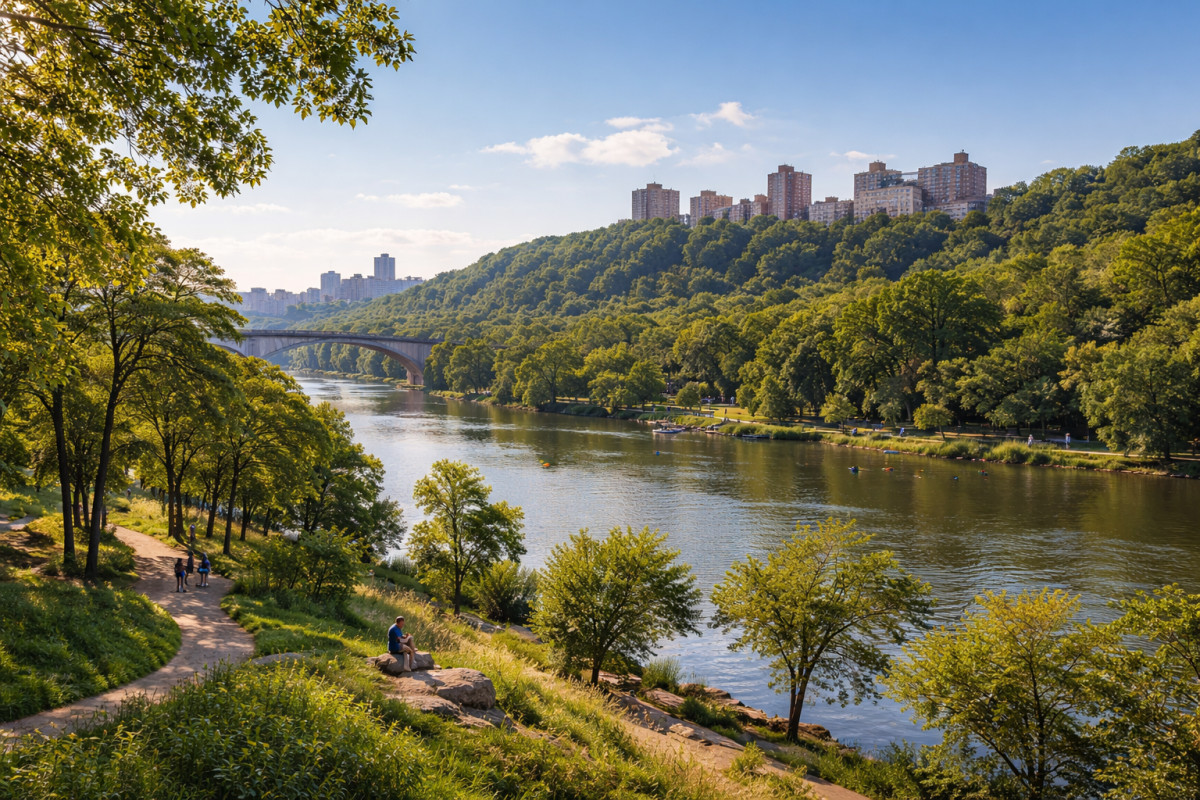
Here, the landscape is sculpted by forces predating human architecture, with dramatic cliffs plunging towards tranquil waters, and towering trees forming a canopy that filters the sunlight into dappled patterns. The park represents a unique ecological treasure, a green lung that breathes deeply on the city's edge, inviting exploration and quiet contemplation away from the relentless concrete sprawl.
To wander through Inwood Hill Park is to discover that even within the world's most dynamic metropolis, pockets of raw, unfiltered nature fiercely persist, whispering tales of an older earth.
Echoes of primeval nature
Inwood Hill Park harbors Manhattan's last remaining old-growth forest, an incredibly rare and precious ecosystem. These ancient trees, some centuries old, form a living cathedral, their gnarled branches and robust trunks speaking of resilience and timelessness. Walking beneath them is an experience akin to stepping back through epochs, feeling the deep connection to a past untouched by urban development.
This protected woodland supports an astonishing array of biodiversity, a vibrant tapestry of flora and fauna thriving within its borders. The forest floor is a riot of native plants, changing with the seasons, offering sanctuary and sustenance to countless species. It is a living laboratory, a testament to the persistent power of nature to reclaim and flourish, even in the most unlikely of places.
Waterside wonders and dramatic vistas
The park's strategic location, cradled by the Hudson River to the west and Spuyten Duyvil Creek to the north, provides breathtaking panoramic views that are unparalleled anywhere else in Manhattan. From its highest points, one can gaze across the vast expanse of the Hudson towards the majestic Palisades, a dramatic cliff face that rises sharply from the New Jersey shore, providing a stunning natural counterpoint to the city's vertical ambition.
The confluence of these waterways is a dynamic zone, where tidal currents shape the landscape, supporting unique marshland ecosystems. The scenic overlooks offer not just a visual feast but also a profound sense of connection to the powerful natural forces that have shaped this island. Kayakers and canoers often navigate the calm waters of Spuyten Duyvil Creek, gaining a unique perspective on the park's rugged shoreline.
Pathways through wilderness
A network of trails winds through Inwood Hill Park, inviting adventurers of all levels to immerse themselves in its wild beauty. From gentle paths that meander alongside the water's edge to more strenuous climbs that ascend to dramatic viewpoints, each route offers a new perspective on this urban wilderness. Hikers can discover hidden groves, sun-dappled clearings, and the remnants of ancient glacial activity.
The park is a renowned destination for bird watching, especially during migratory seasons, when countless species pause here to rest and refuel. The dense foliage and diverse habitats provide excellent opportunities to spot raptors, songbirds, and waterfowl. It is a vibrant corridor for wildlife, a critical stopover point that underscores the ecological significance of this green space within the urban fabric.
Each turn on the trail reveals another layer of Inwood's magic, from the whispers of the canopy to the distant glint of water, every step a gentle reminder of nature's enduring artistry.
Sacred ground, timeless spirits
Within the park's ancient landscape lie sites of deep cultural significance. Shorakkopoch Rock, a prominent glacial erratic, marks a historically significant location linked to early interactions on the island. While its history is rich, its current presence stands as a quiet monument to the land's enduring spirit and its importance to previous inhabitants. The park also features the so-called Indian Caves, natural rock shelters that offer a glimpse into the geological formations and the sheltered spaces available in this rugged terrain.
These natural features are not just geological curiosities; they are integral components of the park's unique character, offering silent narratives about the land's profound and continuous story. They serve as natural landmarks, guiding visitors through a landscape that feels both timeless and deeply rooted in a specific sense of place.
Flora and fauna symphony
Inwood Hill Park is a living canvas of ecological diversity, a place where the wild heart of Manhattan beats strongly. Its unique geology and location foster a rich variety of plant life, including rare species that thrive within its protected confines. The seasonal changes are particularly vivid here, from the vibrant greens of spring and summer to the fiery hues of autumn and the stark, sculptural beauty of winter.
The park is home to a surprising array of wildlife, from small mammals like squirrels and raccoons to an impressive diversity of bird species. Muscota Marsh, a vital wetland area, provides a critical habitat for aquatic life and migratory birds, showcasing a delicate balance of ecosystems within an urban context. This vibrant ecosystem serves as a crucial urban sanctuary, demonstrating the resilience and adaptability of nature when given space to thrive.
- Old-growth trees
- Diverse bird species
- Native plant communities
- Small mammals
- Aquatic life in Muscota Marsh